 By Admin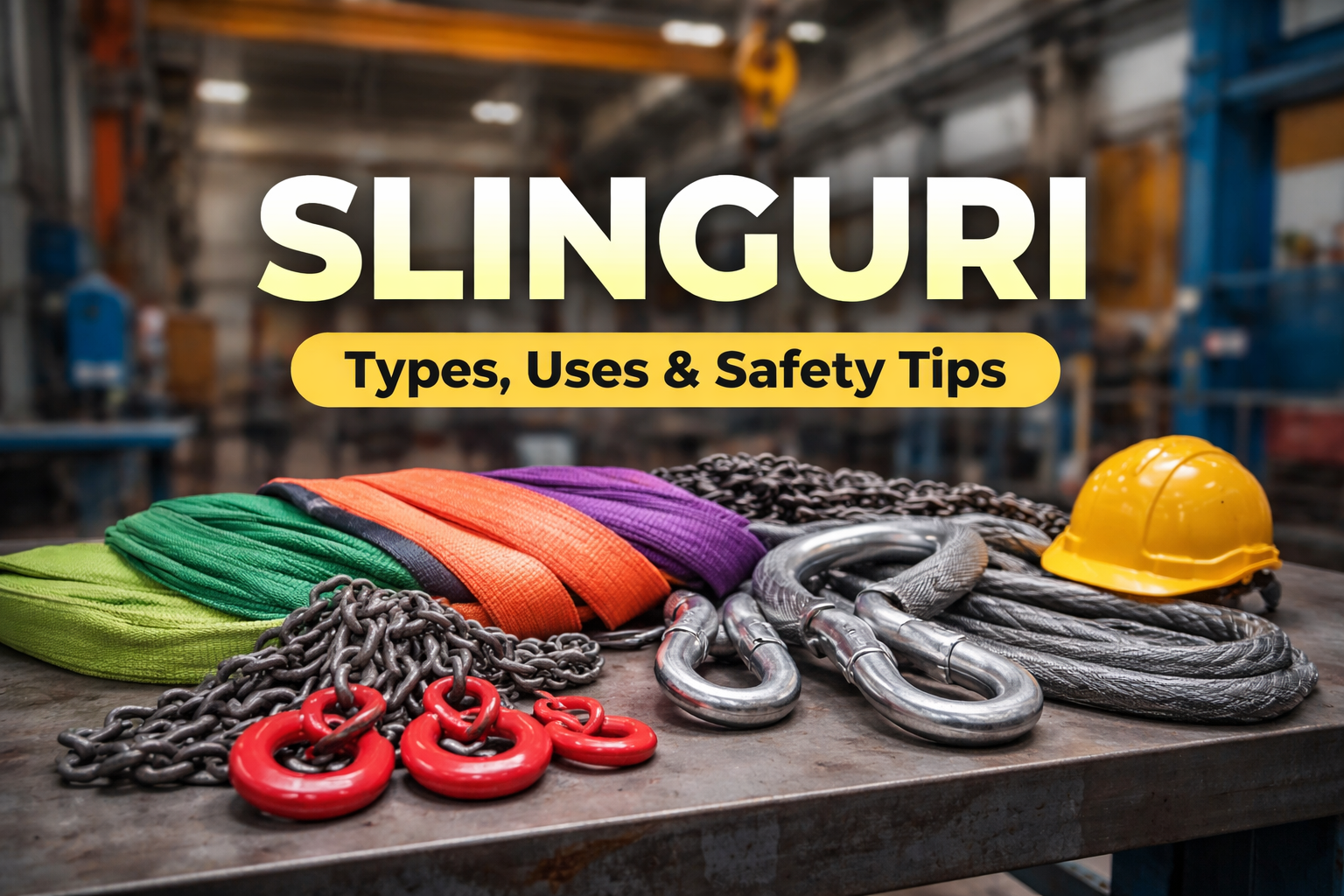
If you’ve come across the word slinguri and paused for a second… that’s normal. It is a Romanian plural form of sling, and in practical use it usually refers to lifting slings used for handling loads. In Romanian industrial catalogs, the term sits alongside lifting straps, wire-rope systems, and chain lifting gear, so the keyword is strongly tied to material handling and lifting work rather than casual fashion or baby carriers.
What does slinguri mean?
In simple words, slinguri are tools used to help lift, move, secure, or position heavy loads. The dictionary sense points to bands made from vegetable or synthetic fibers for handling bundled goods, and modern industrial references broaden that real-world use into textile slings, round slings, chain slings, and wire-rope slings. So yes, one small word… but it covers several important lifting solutions.
And that matters because not every load behaves the same way. Some loads are delicate. Some have sharp edges. Some are awkward, off-center, or just plain annoying to move. The right sling helps make the lift safer, smoother, and more controlled. The wrong one can create wear, imbalance, or worse.
Why slinguri are so important
A good sling does more than “hold weight.” It helps the operator manage the lift correctly.
- It connects the load to cranes, hoists, or lifting devices.
- It helps spread force across the load.
- It can reduce damage to sensitive surfaces when the correct material is chosen.
- It improves control during vertical, basket, or choke lifting setups.
- It supports safer handling when selected by working load limit, load shape, and environment.
Common types of slinguri
The main families below are commonly recognized across industrial references and lifting guides.
| Type of slinguri | Usual material | Best for | Main caution |
|---|---|---|---|
| Webbing/Textile Slings | Polyester or similar synthetic fibers | General lifting, softer contact with loads | Must be protected from edges, friction, and chemical mismatch |
| Round Slings | Synthetic fiber core with protective sleeve | Heavy lifting with flexibility around load shapes | Cover damage can signal core damage |
| Wire Rope Slings | Steel wire rope | Tough industrial jobs and demanding environments | Heavier and less forgiving on delicate surfaces |
| Chain Slings | Alloy steel chain | Rugged lifting and harsh-duty work | Must match rated capacity and be inspected carefully |
How to choose the right slinguri
This part is where people rush. And honestly… they shouldn’t.
When choosing slinguri, the first thing to check is the working load limit, often shown as WLL. After that, look at the load’s size, shape, weight, lifting method, and environment. If more than one sling is used, they should be compatible and, in many cases, identical. Material matters too. Some synthetic slings react differently to acids, alkalis, temperature, and sunlight exposure.
A quick checklist helps:
- Match the sling to the actual weight of the load.
- Think about how the load will be lifted: vertical, basket, or choke.
- Check whether the load has sharp edges.
- Make sure the sling is the right length.
- Confirm the tag or identification marking is readable.
- Consider the environment, especially chemicals, heat, and UV exposure.
Basic safety rules for slinguri
This is the part nobody should skip.
OSHA says slings and their attachments should be inspected each day before use by a competent person, and damaged or defective slings should be removed from service right away. It also says slings should not be used above their safe working load and should not be used when identification markings are missing or unreadable.
Other lifting guidance adds the practical side:
- Never knot or twist textile slings.
- Protect them from corners, abrasion, and rough surfaces.
- Keep labels away from damaging contact points.
- Do a small test lift first to check balance and stability.
- Avoid shock loading or sudden snatching.
- Keep people clear of the suspended load.
Common mistakes people make
A lot of sling problems start with simple shortcuts.
- Using a sling with a damaged cover and assuming it is “still okay”
- Ignoring the lifting angle on multi-leg setups
- Dragging the sling across the ground
- Using the wrong material in a chemical environment
- Lifting without checking the center of gravity
- Reusing gear with missing markings or uncertain history
But the truth is, slinguri are not complicated when handled with care. Pick the right type. Respect the load limit. Inspect before use. Store them properly. That’s the rhythm of safe lifting.
Final thoughts
Slinguri may look simple at first glance — just straps, chains, or rope assemblies. But in real work, they are a serious part of safe lifting. The word itself comes from Romanian usage of “sling,” and in industry it usually points to the gear that connects a load to the lift. Once you understand the types, the selection basics, and the safety rules, the whole topic becomes much easier to handle… and much safer too.