 By Admin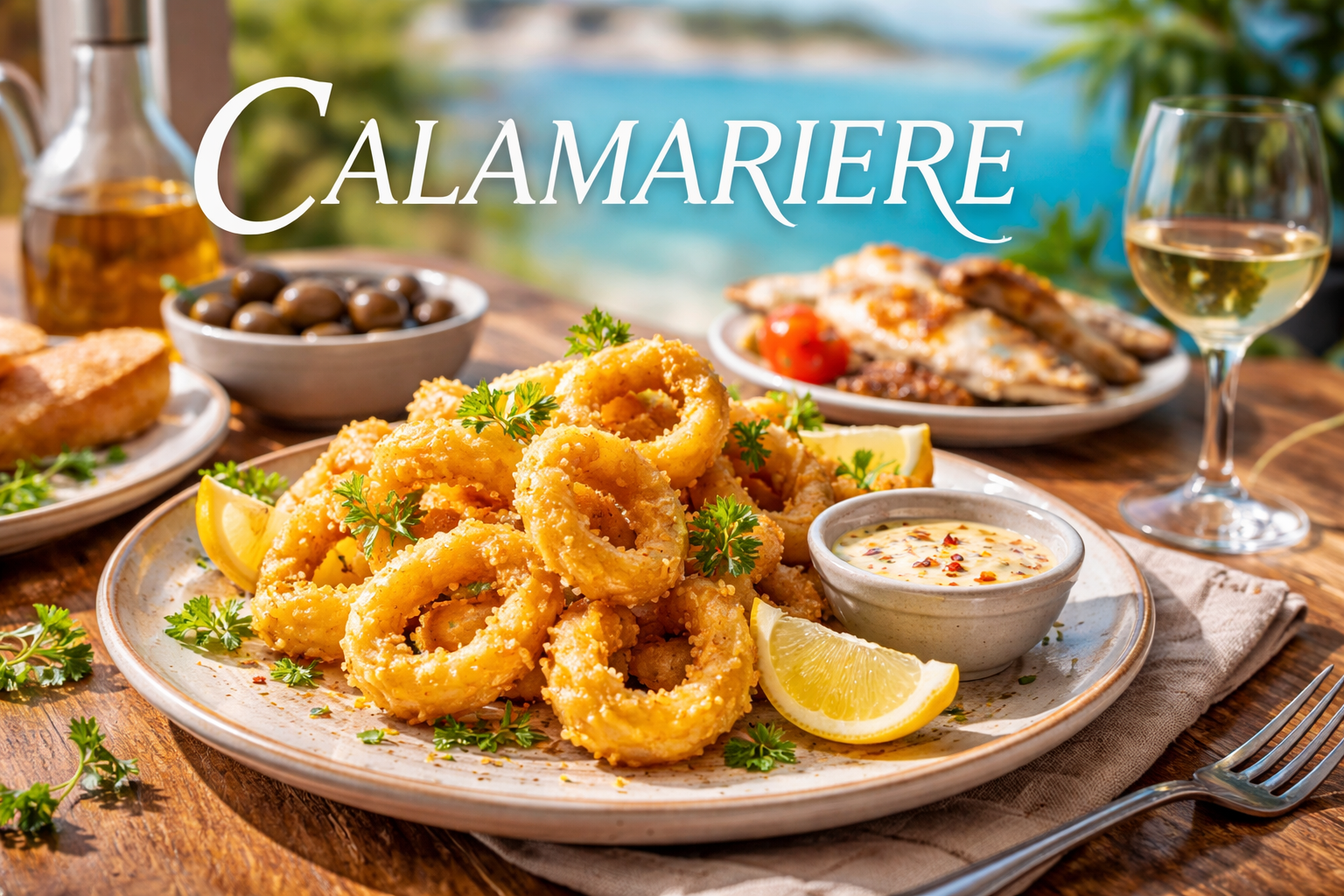
You know those words you see once and then kind of pause on?
Calamariere is one of them.
It looks Italian. Sounds like it should be on a restaurant menu. Maybe something fancy with seafood and lemon on the side. But when you actually try to pin it down… it doesn’t really behave like a normal food word.
It slips a bit.
And that’s where things get interesting.
Because depending on where you find it, calamariere can mean slightly different things—or maybe it doesn’t “mean” one fixed thing at all.
So… what even is it?
Honestly? There’s no clean dictionary answer.
Most of the time, people connect calamariere with squid dishes. Or more specifically, calamari—the well-known squid-based food.
But calamariere feels like something built around that idea, not the food itself.
Like:
- a way of describing squid dishes in a more artistic tone
- a modern food-blog style word
- a loose “concept” rather than an actual recipe
It’s not like saying “pizza” or “pasta.” Those are fixed.
This one… isn’t.
The word itself (and why it sounds Italian)
You can kind of break it mentally:
“calamari” → squid
“-iere” → a suffix that often shows relation or role in Romance languages
So people naturally start guessing: maybe it means someone who works with calamari… or a style of cooking it… or just a fancy adaptation of the original word.
But the truth is simpler and messier:
it’s not officially defined anywhere solid.
It’s more like something that appeared through usage rather than being formally created.
Where people keep seeing it
Mostly online.
Food blogs. Small recipe websites. Sometimes menus trying to sound more “elevated” than just saying fried squid.
And that’s probably how it spread.
Because “fried calamari” is fine… but “calamariere” sounds like there’s a story behind it. Even if there isn’t a strict one.
The internet does this a lot. It takes normal food and gives it a slightly upgraded identity.
Calamari vs calamariere (simple version)
This clears up most confusion:
Calamari = real dish (you can order it, eat it, it exists everywhere)
Calamariere = more like a label or vibe built around squid-based cooking
That’s it.
One is food. The other is more like a way of talking about food.
What it feels like in cooking
When people use the word, they usually imagine something pretty simple actually:
fresh squid
olive oil
garlic
lemon
maybe herbs
quick cooking time
Nothing heavy or overly complicated.
If anything, calamariere-style cooking (as people describe it) feels more about keeping things light and coastal. Not overdoing it.
There’s also this idea that squid shouldn’t be messed with too much—cook it fast, keep it clean, don’t ruin the texture.
Simple rule, honestly.
Why the word sticks in people’s heads
Even if it’s not official, it has a certain “sound” to it.
Calamariere feels:
- slightly European
- slightly elegant
- slightly mysterious for no reason
And that combination is enough for people to start using it, even casually.
Sometimes a word doesn’t need permission. It just starts existing because people like how it feels when they say it.
This might be one of those cases.
A more honest way to look at it
If you try to force calamariere into a strict definition, it kind of falls apart.
But if you treat it like a loose idea—something between food description and storytelling—it makes more sense.
Not everything in food culture is clean-cut anyway. A lot of it grows through language first, then meaning later… or sometimes never fully settles at all.
Final thought
Calamariere isn’t really a dish you learn.
It’s more like a word that shows how people try to make food sound a little more expressive than it actually is.
And maybe that’s all it is.
A name floating around squid dishes, picking up meaning depending on who uses it… and then changing again the next time someone writes about it.
Want to read more like this? Check out ntdtvjp for more interesting articles.